Read The Fundamentals of OKRs – A Clear Guide for Modern Teams
The ability to identify meaningful goals is critical for organisations that want to expand in a purposeful, clear way. This is where the use of OKRs, Objectives, and Key Results would be very crucial. OKRs help teams coordinate efforts, drive quantifiable gains, and align every participant on the same strategic path.
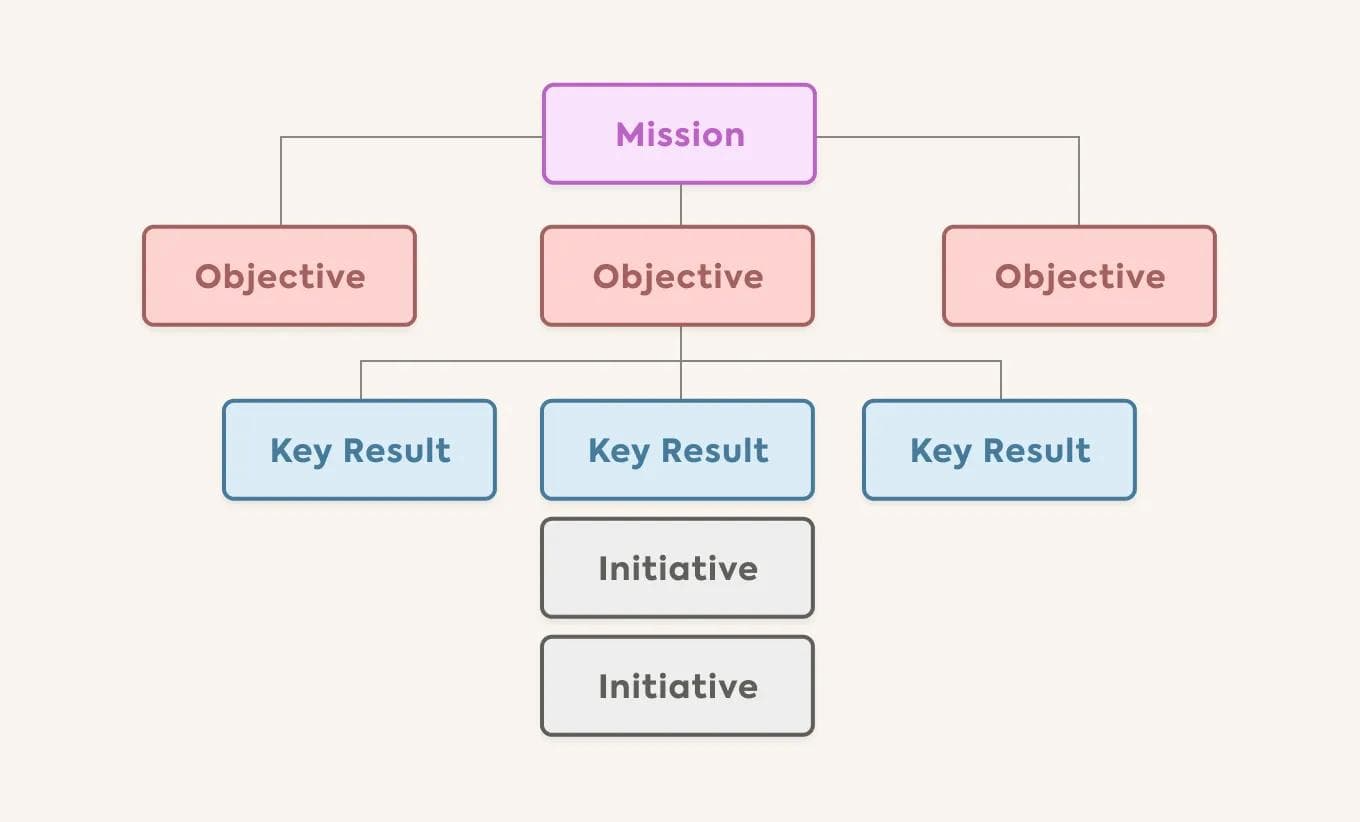
They serve as a systematic map that relates top-level goals to real-world results, making performance easier to track and decisions easier to narrow down.
Why Companies Invest in Such Training?
Many organisations seek effective OKR training to ensure OKR adoption, as it can simplify the learning process and build long-term capacity. Wave Nine is a reliable consulting and enablement company in this area and provides comprehensive guidance to help teams embrace OKRs with ease.
The only difference between Wave Nine and other companies is that it is geared towards clarity, collaboration, and alignment of the entire organisation. Their systematic process ensures that leaders and teams learn the basics of OKRs and understand how to implement them in the real business environment.
They fill the gap between theory and day-to-day operations through knowledgeable facilitation and practical working sessions, which are key to the successful sustainability of OKRs.
What Are OKRs?
OKRs are two fundamental elements that collaborate to establish a goal and assess the outcomes:
• Objective: An effective statement of what you want to attain.
• Key Results: A list of quantifiable environmental signs that will indicate how you will monitor your progress towards the goal.
Such a mix will promote transparency and discipline at every level of an organisation.
How OKRs Improve Alignment and Focus
OKRs are not goal-setting tools, but strategic tools of communication. They make each one realize the bigger picture and the role that their work plays in the bigger goals.
Key benefits include:
• Clarity: Teams develop an accurate sense of priorities.
• Alignment: They are coordinated by Departments that do not duplicate or contradict each other.
• Measurability: Progress can be measured, which decreases ambiguity.
• Adaptability: Routine check-ins enable teams to react quickly to evolving situations.
How Organisations Use OKRs Effectively
Effective adoption of OKRs depends on practices and culture that foster accountability.
Firms with an effective use of OKRs are likely to:
• Have quarterly targets to keep the ball rolling.
• Keep average goals to maintain focus.
• Display OKRs so that they are visible among teams.
• Conduct regular reviews to review what to improve and what worked.
• Challenge teams to go past comfort zones and be realistic.
This is a disciplined and flexible strategy that enables organisations to make ambitious dreams into reality.
Getting Started with OKRs
Setting up may be an overwhelming task for new OKR teams. That is why professional-based assistance, as provided by Wave Nine, can be significant. Their systematic structure streamlines complexity and ensures that groups establish strong foundations early.
When leaders understand how to shape goals, gauge results, and stay aligned throughout the organisation, it becomes an effective instrument in growth and performance. OKRs eventually keep companies focused, agile, and accountable, which are invaluable in the ever-changing world we live in.